Venus and Mars are often discussed together because they describe two related but different parts of a relationship. Venus is commonly read through affection, attraction and how interest is expressed. Mars is commonly read through assertion, pursuit, desire and conflict response.
This page is the conceptual guide. It explains the ideas in plain relationship behaviour. The separate Venus and Mars application page covers what to compare in practice and makes clear that the current site does not present a standalone Venus/Mars score calculator.
What Venus Represents in Love
Venus can describe how a person shows fondness, what kind of attention feels pleasant and which forms of courtesy matter. One person may send a thoughtful message, plan a quiet meal or show affection through small acts. Another may want frequent verbal warmth before the gesture feels meaningful.

What Mars Represents in Love
Mars can describe assertion, pursuit, desire and the first move during conflict. One person may want to address tension immediately, while another becomes quiet until the feeling has settled. The Mars question is not who is stronger; it is how each person acts when there is pressure, attraction or disagreement.
Venus and Mars Together
A Venus–Mars comparison asks whether affection and pursuit speak a language the other person can receive. A person may show care quietly while their partner looks for active initiative. Neither person is automatically uncaring; the signal and the expectation simply do not match yet.
| Planet | Relationship question | Example |
|---|---|---|
| Venus | How is affection offered and received? | One person values a kind message while the other shows care by making time. |
| Mars | How is pursuit or conflict started? | One asks to settle the issue now while the other needs a pause. |
| Together | Do affection and action meet at a workable pace? | Interest feels mutual when both people state what closeness looks like. |
Venus and Mars in a Wider Chart Reading
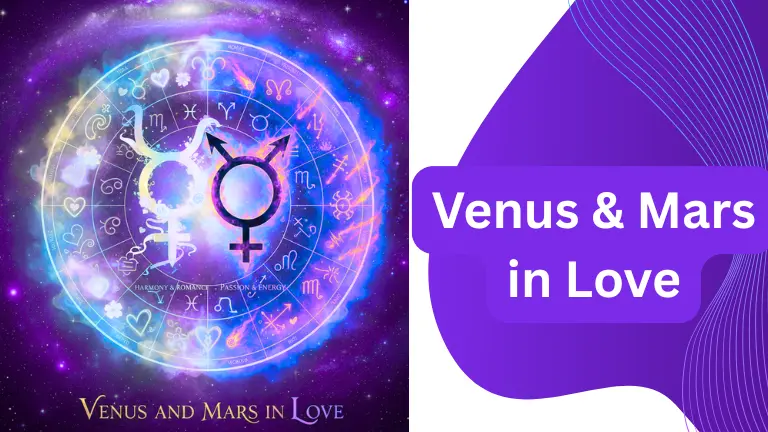
When a full Western astrology comparison includes Venus and Mars contacts, interpret them as prompts about affection, desire, boundaries and conflict response. A difficult contact may describe a recurring difference in pace; it does not guarantee rejection or constant conflict. A supportive contact may make attraction easier to express; it does not guarantee a lasting relationship.
Beyond Romance: Friendship and Team Bonds
Venus and Mars can also be discussed outside romance. Venus may show how someone offers goodwill or values cooperation, while Mars may show how they initiate action or respond when a project stalls. The same behaviour still needs context; a direct work style is not automatically a personal attack.
What to Watch in Daily Behaviour
- Who starts contact and how the other person receives it.
- Whether affection is shown through words, time, touch or practical action.
- How each person reacts when desire, timing or boundaries differ.
- Whether conflict ends with a clear repair rather than a silent score being kept.
How This Page Relates to the Application Guide
Use this article for the concepts. The Venus and Mars application guide explains what readers can compare when the URL’s calculator wording creates an expectation that the live page does not fulfil. The planetary parent guide places Venus and Mars beside the other relationship planets.
FAQs
Is Venus more important than Mars in love?
Neither planet replaces the other. Venus is commonly read through affection and attraction, while Mars is read through pursuit, desire and conflict response.
Can clashing Venus and Mars patterns work?
They can when both people explain what affection and initiative mean to them, then respect pace and boundaries during disagreement.
Do Venus and Mars explain attraction at first sight?
They may be used to discuss attraction and pursuit, but first impressions do not prove emotional safety or long-term compatibility.
Do Venus and Mars determine whether a relationship lasts?
No. They describe selected relationship questions and cannot determine a relationship outcome.