Family compatibility in astrology begins from a place that feels quieter and heavier than romantic analysis. Romantic charts look for attraction and spark, while family charts speak about continuity, emotional safety, and patterns that shape a person long before conscious choice develops. The thing is that family bonds exist before agreement, which is why astrology treats them as karmic structures rather than optional connections.
Within a family, people share space, memory, and emotional atmosphere over many years. These shared conditions influence behavior more deeply than intention. Astrology does not judge these bonds as good or bad. Astrology explains how they function and why they feel difficult or supportive at different stages of life.
What Family Compatibility Really Means in Astrology
Compatibility Beyond Attraction

Family compatibility does not depend on liking each other or sharing similar opinions. Astrology defines compatibility here as the ability to coexist emotionally without constant strain. Families remain connected even during discomfort because shared rhythm often holds more power than agreement.
The reason is quite clear. Emotional familiarity forms early and continues quietly, shaping reactions and expectations. Charts often show that family members feel tied together even when understanding feels limited, because emotional patterns repeat automatically.
Emotional Bond Versus Functional Harmony
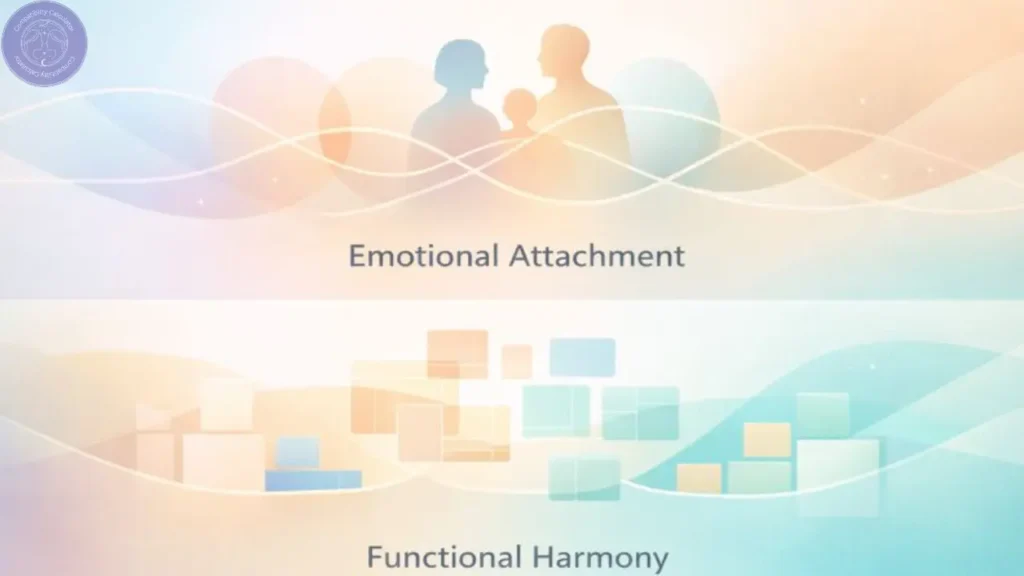
Emotional attachment and day-to-day harmony describe two separate layers. Emotional attachment reflects care and instinctive concern, while functional harmony reflects how daily responsibilities and communication flow without tension.
Astrology separates these layers carefully. A family may care deeply for each other while struggling with coordination and boundaries. Another family may operate smoothly while emotional expression remains distant. What you need to understand is that love alone does not guarantee ease inside shared spaces.

Key areas astrology examines in family relationships include the following.
- Emotional responsiveness and the sense of safety
- Clarity around roles and expectations
- Distribution of responsibility across members
- Recognition of personal identity within the group
Each area connects to different planetary functions, which become clearer as analysis deepens.
Astrology as a Tool for Understanding, Not Labeling
Ethical Reading of Family Charts
Family astrology requires restraint. These bonds are not chosen freely, so verdict-style interpretations create harm instead of clarity. As we already saw, charts reveal tendencies and patterns, not final judgments.
Astrologers study repetition across time rather than isolated moments. Meaning appears when the same emotional responses surface again and again. No single placement defines a family dynamic. Context and interaction shape the full picture.
This approach respects free will while acknowledging inherited influence.
Common Misunderstandings About Family Compatibility
Several misunderstandings appear repeatedly when family astrology is approached without depth.
- The idea that similar zodiac signs always create harmony ignores emotional conditioning and life stage differences.
- The belief that difficult aspects indicate broken families overlooks growth lessons and maturity cycles.
- The belief that astrology removes responsibility misunderstands the purpose of awareness.
Astrology explains tension without excusing harm. Awareness opens space for choice, while accountability remains human.
Core Astrological Anchors in Family Compatibility
Why Moon, Sun, and Saturn Matter Most

Long-term family bonds revolve around three essential needs. Emotional safety, identity development, and responsibility structure. These needs correspond directly to the Moon, Sun, and Saturn.
The Moon reflects how care is given and received inside the family. Emotional comfort and instinctive reaction patterns appear here. The Sun reflects how each person seeks recognition and personal direction within the family system. Saturn reflects responsibility, authority, and the rules that hold the structure together over time.
When these three planets support each other, families tend to feel stable even during disagreement. When tension exists, conflict usually centers around unmet emotional needs, unrecognized individuality, or unequal responsibility.
| Planet | Family Function | Core Theme |
|---|---|---|
| Moon | Emotional safety and instinct | Care, comfort, attachment |
| Sun | Identity and direction | Recognition and personal expression |
| Saturn | Structure and duty | Responsibility and endurance |
Houses and Structural Dynamics in Family Compatibility
Why Houses Matter More Than Signs
Zodiac signs describe temperament, while houses describe lived experience. A calm Sun sign does not guarantee a peaceful home if the emotional houses tell a different story. Family relationships unfold inside shared spaces, not abstract traits.
Houses reveal where authority sits, where comfort is sought, and where responsibility feels heavy. Planetary overlays between charts activate these spaces daily, shaping habits that repeat quietly over time.
The Fourth House
The fourth house reflects emotional roots and early conditioning. This house carries childhood memories, comfort patterns, and a sense of belonging. Family connections here feel instinctive because they operate below conscious preference.
Tension linked to this house usually centers around emotional safety and comfort rather than behavior alone. Certain family dynamics feel unavoidable because they connect to emotional memory rather than present logic.
The Tenth House
The tenth house represents authority and expectation inside the family system. Parental roles, guidance, and discipline appear here. Balance creates support and direction, while imbalance creates control or emotional distance.
Many parent-child struggles trace back to unresolved tension in this house, where responsibility outweighs emotional understanding.
The Second and Eighth Houses
The second house reflects values learned through family. Money habits, self-worth, and stability expectations develop here. Conflict around resources often reflects different conditioning rather than intent.
The eighth house carries inherited emotional weight. Unspoken obligation, emotional dependency, and shared psychological burden appear here. When this house becomes active, boundaries blur, and intensity rises without a clear cause.
These houses explain why conflict around money, control, and boundaries tends to repeat across generations.
Transition Reflection
Structure creates context. Without emotional roots, identity development, and a responsibility structure defined, interaction patterns feel personal and confusing. Once the structure becomes visible, behavior no longer feels random. That clarity prepares the ground for a clear understanding of interaction and karmic patterns in the next part.
Family Synastry

How Charts Interact Inside Families
Family synastry operates through exposure and repetition rather than choice. Romantic synastry examines attraction and conscious engagement, while family synastry reflects daily contact, shared routines, and emotional conditioning that develop over the years. The thing is that repeated contact turns small planetary links into habits, which then shape behavior without much thought.
Emotional reactions inside families feel automatic because the nervous system learns responses early. Astrology mirrors this process by showing how the same aspects activate again and again through ordinary interaction. Intention matters less here than pattern, since familiarity reinforces response faster than awareness can interrupt it.
Parent and Child Compatibility
Emotional Bonding Patterns
Moon connections describe how emotional safety forms between parent and child. Supportive Moon links create a sense of being seen without explanation, while strained Moon links create emotional misalignment even when care remains present. Emotional mirroring appears naturally because children absorb tone and response style long before reasoning develops.
Astrology shows this mirroring through Moon overlays that repeat emotional habits rather than conscious teaching. These patterns tend to persist into adulthood unless awareness creates a pause between feeling and reaction.

Authority and Responsibility Dynamics
Saturn aspects reflect discipline, expectation, and responsibility flow. A steady Saturn influence creates structure that feels protective and dependable. A heavy or poorly timed Saturn influence creates pressure that feels restrictive rather than supportive.
Timing matters here. Early life Saturn pressure can shape resilience, while unresolved Saturn tension later becomes fear or withdrawal. Astrology explains this difference by showing when responsibility exceeds emotional readiness.
Identity and Recognition
Sun interactions influence confidence and personal direction. Healthy Sun contact supports identity development through encouragement and acknowledgment. Challenging Sun interactions create insecurity when recognition feels conditional or absent.
Identity grows through reflection. When a child feels recognized as an individual, expression becomes natural. When recognition depends on performance, individuality becomes guarded.
Sibling Compatibility
Rivalry and Comparison Patterns
Sibling dynamics form inside shared territory. Attention, emotional care, and resources remain limited, which makes comparison almost unavoidable. Competition forms when needs overlap rather than complement.
Similarity increases friction because differentiation becomes harder. Astrology reflects this pattern through shared placements that create mirrored needs, leading each sibling to seek a distinct place within the same space.
Communication and Daily Interaction
Mercury connections shape how siblings speak, argue, and misunderstand each other. Fast Mercury links create sharp exchanges, while mismatched Mercury styles create confusion through assumption rather than listening.
Familiarity replaces curiosity over time. Misunderstanding grows because responses feel predictable, which reduces patience and attention.
Extended Family Dynamics
Generational Influence and Repetition
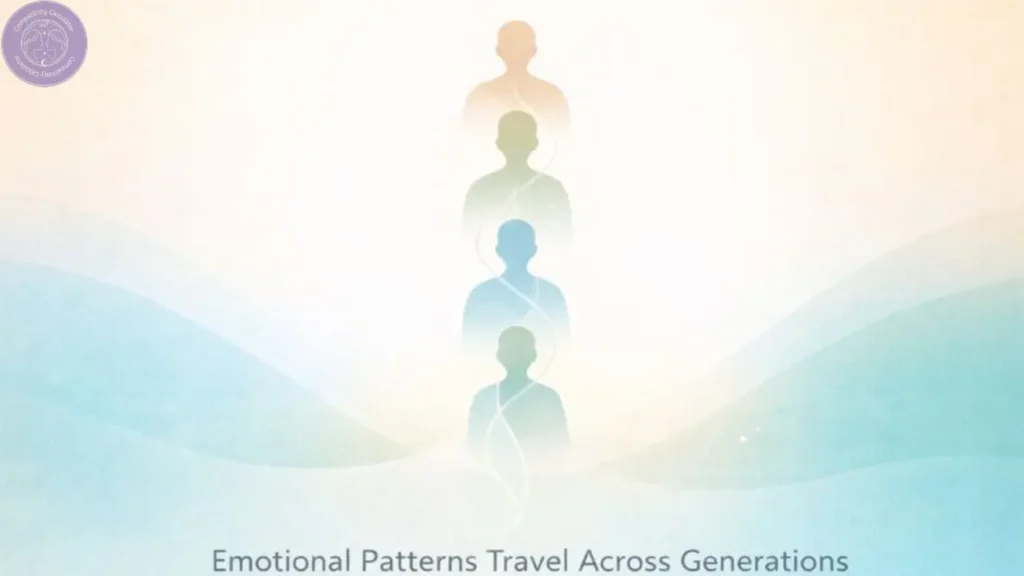
Extended family astrology focuses on inheritance rather than preference. Grandparents and elders carry themes that repeat through generations. Repeated placements across charts reflect shared coping styles, responsibility patterns, and emotional responses.
Inherited behavior travels quietly. Emotional memory passes without instruction, shaping reaction long before awareness forms. Astrology captures this continuity without assigning blame.
Patterns That Repeat Over Time
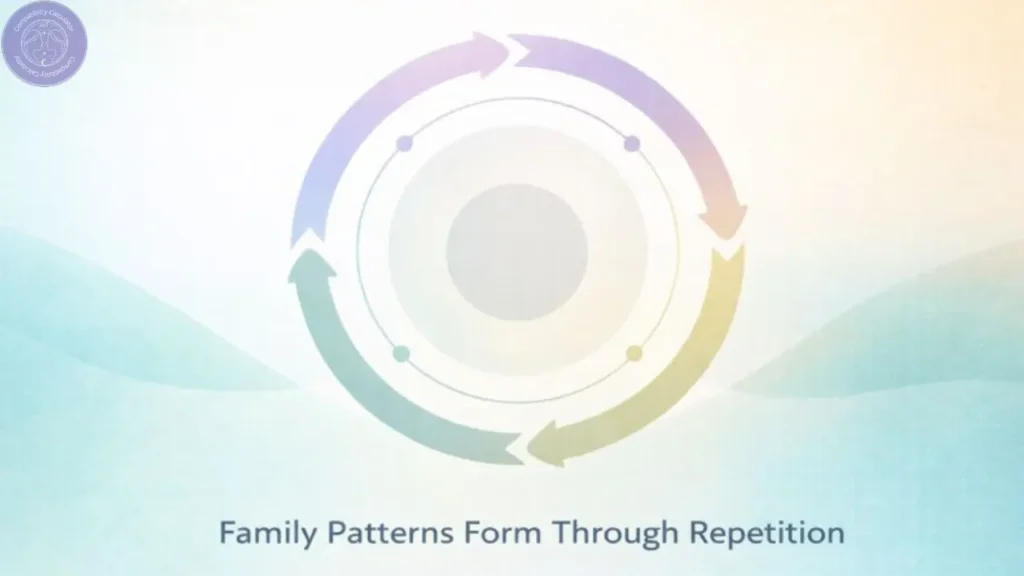
Structured insight highlights three common loops. Repetition signals learning rather than failure. Patterns return until awareness replaces reaction.
- Emotional reactions linked to Moon activation appear during vulnerability or stress.
- Authority struggles linked to Saturn activation surface during responsibility shifts.
- Identity tension linked to Sun pressure emerges when recognition feels uneven.
Reflection
Family compatibility astrology does not promise harmony. It offers understanding. Repeated patterns point toward lessons that seek attention rather than judgment. When structure and interaction become visible, compassion grows without removing accountability.
This perspective changes how conflict is held. The chart stops feeling like a verdict and begins to feel like a map.