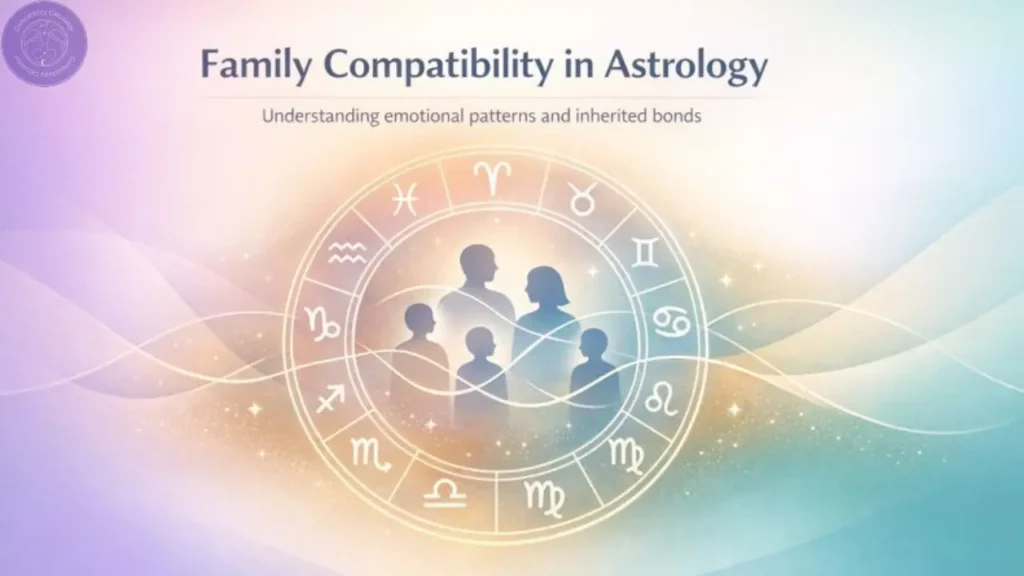
Family dynamics are made from repeated moments: who checks in, who needs space, who remembers practical details and who speaks first after an argument. Astrology can help organize those observations into questions about communication, emotional comfort and shared routines. It does not replace family history, consent or direct conversation.

A Grounded Definition of Family Compatibility
Family compatibility describes how relatives may experience differences in pace, expression, privacy, responsibility and support. It is not a ranking of which relative is better, and it is not proof that a family bond is healthy. A useful reading stays close to behavior: what happens when plans change, feelings are hurt or help is needed?
The site calculator is designed for reflection on two sets of astrology inputs. Its methodology and percentage guide are important context when a number feels more definite than the relationship itself.
Four Family Questions to Compare
| Question | Look for | Do not assume |
|---|---|---|
| How do we communicate? | Directness, timing, detail and repair | That quiet means agreement |
| How do we respond to stress? | Reassurance, withdrawal, action or humor | That one response is a permanent trait |
| How do we share responsibility? | Planning, follow-through and flexibility | That a zodiac label excuses missed work |
| How do we protect space? | Privacy, contact preferences and limits | That closeness requires constant access |
Parenting, Sibling and Caregiving Patterns
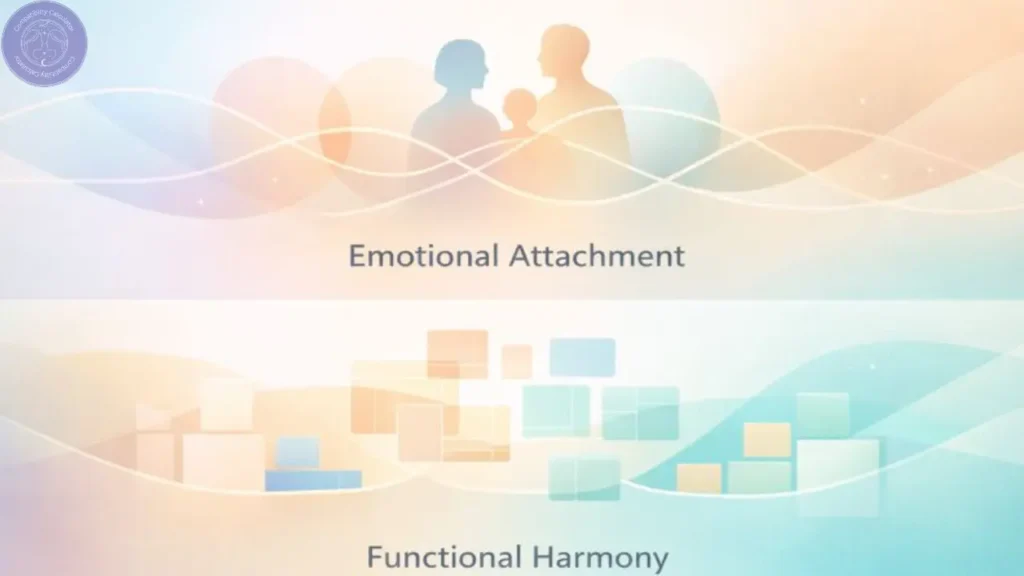
A caregiver may feel responsible for solving a problem while another family member wants to make their own choice. A sibling may show loyalty by giving advice, while the other wants empathy first. These are practical differences, not evidence that the bond is doomed. Name the need, ask permission before advising and agree on what help is actually wanted.
When Family Members Process at Different Speeds
If one person asks for an immediate answer and another needs time, use a clear pause rather than an open-ended silence: ‘I need an hour; I will come back after dinner.’ This small agreement protects both reassurance and autonomy.
Boundaries Matter More Than Labels
Astrology should never be used to pressure a relative into disclosure, excuse controlling behavior or decide who deserves access to private information. A family member can be loving and still need a boundary around visits, money, messages, caregiving or conflict topics.

How to Use a Family Reading Responsibly
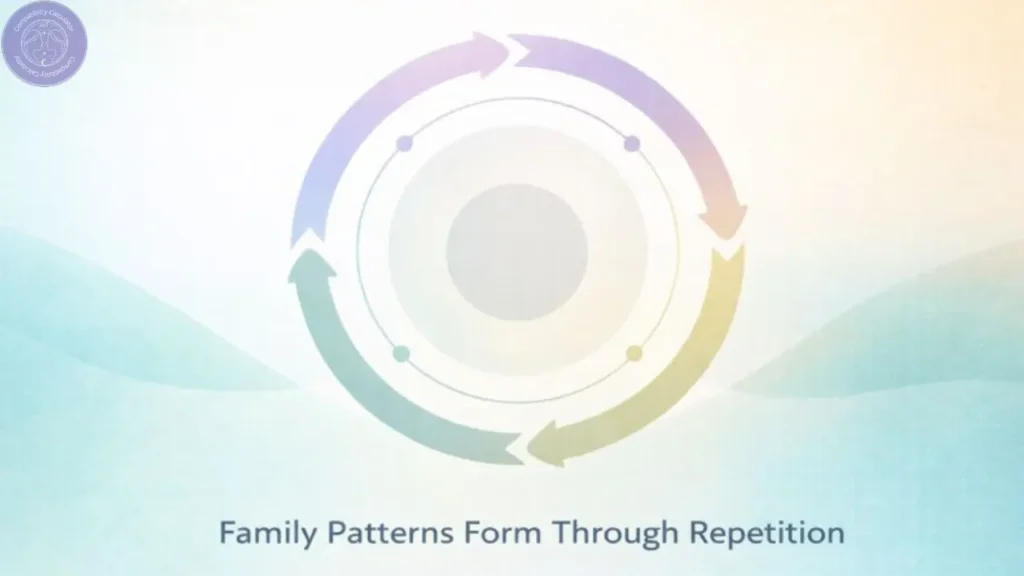
- Treat the chart language as a hypothesis and ask whether it fits the person’s experience.
- Describe specific situations instead of saying a relative is simply difficult or cold.
- Keep safety, consent and power differences in view, especially with children and dependents.
- Choose one behavior to practice, such as a calmer check-in or a clear return time.
A Note on Different Astrology Systems
The site’s Western astrology calculator, Vedic astrology education and numerology education are separate topics. Do not combine a Western score with Vedic or numerology systems as if they were hidden inputs. The result remains a method-based reflection, not a family verdict.
FAQs
Can astrology identify the cause of a family problem?
No. It may help name a communication or emotional pattern, but causes can include history, stress, resources, health and power. Check the description against real evidence.
How can I compare a parent and child respectfully?
Use the comparison to ask about pace, reassurance and independence. Do not use a sign to predict a child’s character or override what the child says they need.
Are family opposites always a problem?
No. Different styles can balance each other when both people have room to speak, set limits and repair. Difference becomes a problem when it is used to dismiss or control.
What should I do with a low score?
Read it as a prompt for a specific conversation, not an instruction to withdraw or blame. The score cannot measure the full history or safety of a family bond.
Use the how-to guide for the entry flow, then keep any result in the smaller context of what the family actually does.